
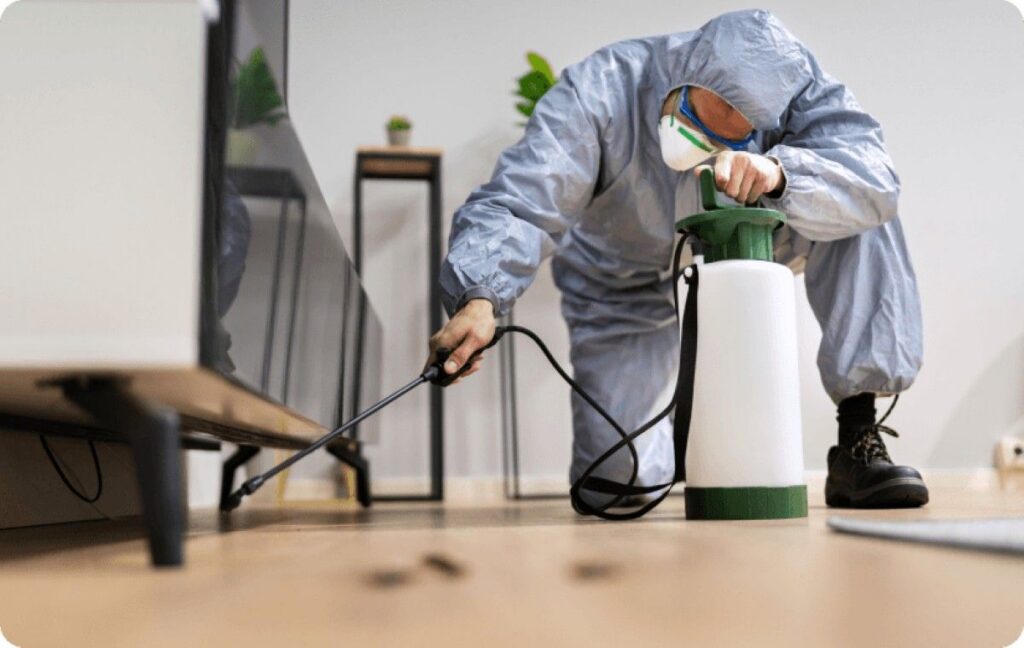
Delaying treatment often turns a small, containable issue into a recurring infestation that is harder to eliminate and more expensive to fix.
Why do pests in Sydney get worse so quickly?
Sydney’s warm climate and dense housing make it easy for pests to breed and spread. A few cockroaches, a trail of ants, or a faint scratching in the roof can escalate within weeks, which is why professional termite pest control Sydney is often recommended to manage hidden infestations.
Many pests also travel between neighbouring properties. So even if a home looks “mostly fine”, untreated termites or other pests can keep re-entering, highlighting the importance of ongoing termite pest control Sydney for long-term protection.
What hidden property damage can pests cause?
The biggest financial shock is often structural damage that stays out of sight until it is serious. Termites are the classic example, but rodents and cockroaches can also cause costly deterioration.
Termites can weaken frames, floors, skirting boards, and roof timbers. Rodents chew wiring, insulation, and stored items. Cockroaches can stain surfaces and contaminate pantries. By the time damage is visible, repairs may involve tradespeople, materials, and time off work.
How can delayed pest control affect health and hygiene?
Many pests are not just unpleasant; they are unhygienic. Cockroaches can trigger asthma and allergies, and they spread bacteria as they move through drains, bins, and kitchens.
Rodents can contaminate food and surfaces with droppings and urine. Fleas and bed bugs affect sleep and can lead to skin irritation and secondary infections from scratching. The longer pests remain, the harder it becomes to keep a home truly clean and safe.
What does it do to a home’s resale value and inspections?
Pest activity can derail sales, reduce offers, or lead to tougher negotiations. Buyers in Sydney often request pest inspections, and evidence of termites, rodents, or persistent cockroach activity can raise immediate concerns.
Even when the infestation is treated, past damage can remain. Timber repairs, patching, and repainting cost money, and a history of pest problems can make buyers cautious about ongoing risk and maintenance.
Why do “DIY fixes” often end up costing more?
DIY sprays, baits, and traps can help in very limited cases, but they often treat symptoms, not the source. Many infestations sit in wall cavities, roof voids, subfloors, or garden entry points that are not obvious.
When DIY methods fail, homeowners often buy multiple products over months, while the infestation continues to grow. By the time they call a professional, the treatment plan is usually more involved than it would have been at the start.
How can delaying pest control lead to ongoing recurring infestations?
Pests tend to follow patterns: access, shelter, food, and breeding sites. If those are not identified and managed, pests can return even after a temporary drop in activity.
For example, ants may stop appearing indoors but keep nesting outside and re-enter during heat or rain. Cockroaches may shift from kitchen cupboards to wall voids. A delayed response allows pests to spread through more areas, making full control slower and more disruptive. Check out more about Why Professional Pest Services Sydney Beat DIY Store Treatments.
What is the real financial difference between early treatment and late intervention?
Early intervention is usually a straightforward inspection and targeted treatment. Late intervention often adds follow-up visits, broader treatment areas, and repair costs that have nothing to do with the pest control invoice.
The hidden costs typically include replacing damaged timber, repairing chewed cables, restocking contaminated food, and paying for additional cleaning or pest-proofing. In rental situations, it can also involve complaints, vacancies, or urgent call-outs when tenants can no longer tolerate the problem.
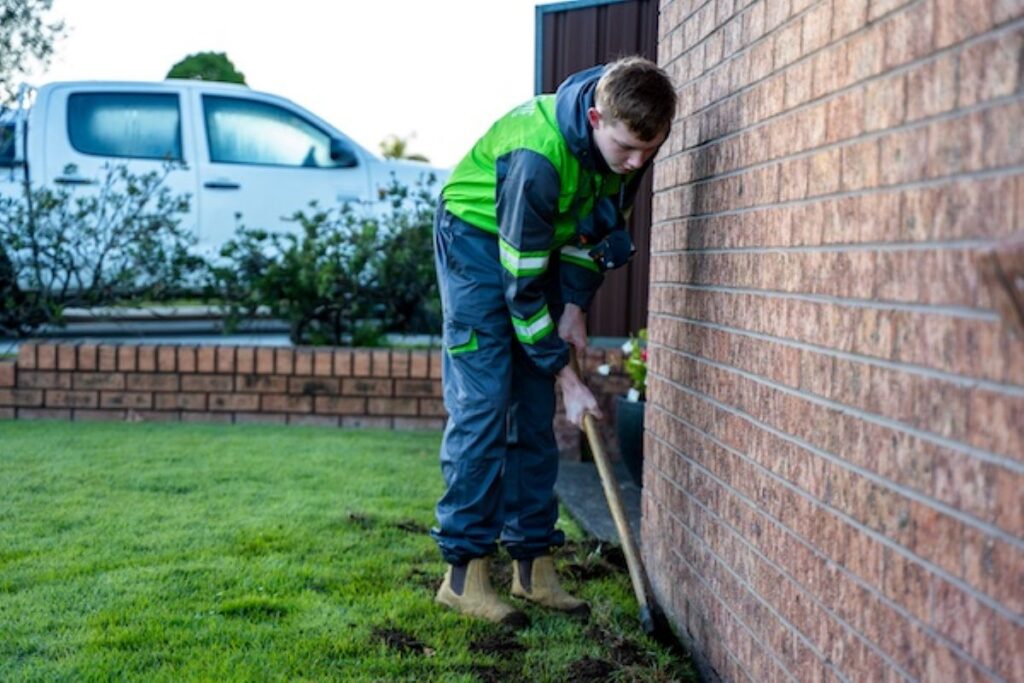
When should Sydney homeowners act to avoid the worst costs?
They should act as soon as there are signs, not when it becomes undeniable. Common early signs include droppings, scratching sounds at night, mud tubes, hollow-sounding timber, unusual smells, grease marks, or repeated insect activity in the same spots.
If a home has not been inspected in a while, a routine pest inspection is often the simplest way to avoid the high cost of late discovery. The money saved is rarely just on treatment; it is on everything pests quietly damage while nobody is looking.
FAQs (Frequently Asked Questions)
Why do pests in Sydney tend to worsen rapidly?
Sydney’s warm climate and dense housing create ideal conditions for pests to breed and spread quickly. Even a few cockroaches, ants, or noises in the roof can escalate into a significant infestation within weeks, especially as many pests travel between neighbouring properties.
What types of hidden property damage can pests cause in Sydney homes?
Pests like termites, rodents, and cockroaches can cause serious structural damage that often goes unnoticed until it becomes severe. Termites weaken frames, floors, skirting boards, and roof timbers; rodents chew wiring, insulation, and stored items; cockroaches stain surfaces and contaminate pantries. Such damage can lead to costly repairs involving tradespeople and materials.
How does delaying pest control affect health and hygiene in the home?
Delaying pest control allows unhygienic pests to thrive longer, increasing health risks. Cockroaches can trigger asthma and allergies while spreading bacteria through drains and kitchens. Rodents contaminate food with droppings and urine, while fleas and bed bugs disrupt sleep and cause skin irritation. Prolonged infestations make maintaining a clean, safe home much harder.
In what ways can pest problems impact a home’s resale value and inspections in Sydney?
Pest activity often complicates property sales by reducing offers or leading to tougher negotiations. Buyers commonly request pest inspections; evidence of termites, rodents, or persistent cockroach infestations raises concerns. Even after treatment, past damage like timber repairs or repainting adds costs and may make buyers wary of ongoing risks.
Why do DIY pest control methods frequently end up costing more in the long run?
DIY sprays, baits, and traps typically address only visible symptoms rather than the infestation’s source hidden in wall cavities or roof voids. Failure of these methods leads homeowners to purchase multiple products over extended periods while pests spread further. Eventually, professional intervention becomes more complex and costly than if treated early.
When should Sydney homeowners act to prevent severe pest-related costs?
Homeowners should take action at the first signs of pests—not when issues become undeniable. Early indicators include droppings, scratching sounds at night, mud tubes, hollow-sounding timber, unusual smells, grease marks, or repeated insect activity in specific spots. Routine pest inspections are recommended if a home hasn’t been checked recently to avoid expensive late-stage treatments.