
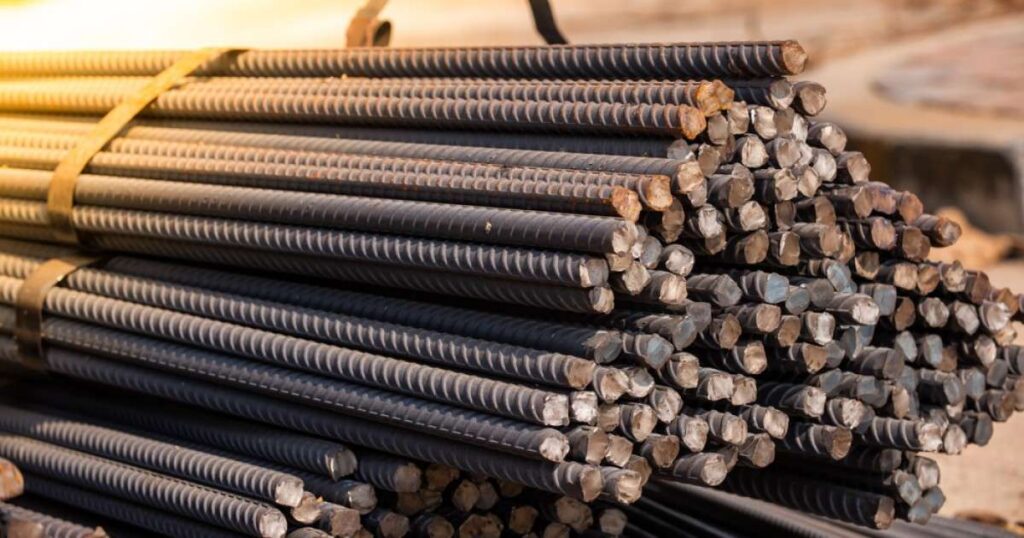
In Australia, reobars (often called “reo bars”) are the steel reinforcing bars placed inside concrete to give it strength. You see them everywhere on slabs, footings, columns, walls, and suspended decks, usually alongside mesh, chairs, ligatures, and formwork systems.
WHS focuses on reobars because the hazards are both common and serious on active sites. The main risk groups are impalement, cuts and punctures, manual handling strain, struck-by and crush injuries during unloading and placement, and trip hazards from starter bars, dowels, and mesh overlaps. Secondary risks include rust scale and metal fragments in eyes during cutting or bending, plus exposure near formwork edges and penetrations where reobars protrude.
Good reinforcement practices also reduce WHS exposure. When reobars are placed correctly, tied properly, and kept to the right cover, you typically get fewer fixes, less rework, and less time working around sharp steel and congested formwork zones.
Impalement and puncture hazards (the big one)
Impalement risk comes from protruding starter bars, uncapped dowels, exposed cages, and bar ends near walkways or height transitions. These hazards often sit exactly where people move quickly, carry materials, or step up and down around formwork and penetrations.
Falls onto reo are catastrophic, so this is treated as a critical risk in WHS planning. Controls should be decided early, before pours and before high-traffic tasks start, not after an incident or near miss. If bars will be left exposed, the question is not “will someone brush past it?”, but “could someone fall onto it?”.
Manual handling and plant interactions
Reo bundles can shift during unloading, roll when set down, or spring if banding is cut too early. Pinch points are common when slinging, landing bundles, or aligning bars into cages. Hand injuries also happen during tying and cutting, especially when offcuts and tie wire build up underfoot.
WHS expectations are usually met by using mechanical aids where practical, controlling the landing area, and coordinating lifting with clear communication. Tag lines, exclusion zones, and a designated dogman or spotter reduce struck-by and crush risks, particularly when placing reo near LVL/formwork frames or around tight access.
Trips, slips, and access issues around reinforcement
Reo creates trip hazards even when it is “in the right place”. Starter bars above grade, uneven chairs, mesh laps, tangled offcuts, and congested fixing zones around formwork can turn normal access routes into obstacle courses.
Housekeeping is a real control here, not a box-tick. Clear pedestrian paths, defined laydown zones, and prompt removal of offcuts and loose tie wire reduce trips and punctures. It also helps other trades, especially when they are moving around penetrations, edge formwork, and temporary platforms.
Do WHS Regulations Require Safety Caps on Exposed Reobars?
WHS law generally requires you to manage risks so far as is reasonably practicable, using the hierarchy of control. In practice, where exposed reo creates an impalement risk, sites are expected to use effective protection such as caps, covers, or physical barriers as part of planned controls. For official guidance, refer to work health and safety (WHS) laws and risk management requirements.
It is worth being clear about what “caps” do. Basic plastic mushroom caps can reduce scratches and minor punctures and improve visibility. They are not automatically impalement-rated, and on higher-risk sites they may be treated as insufficient if someone could fall onto the bar with force. Where fall risk exists, stronger systems such as engineered rebar protection, timber or mesh covers, or solid barriers may be required.
Protection is especially important near edges, access ways, ladders, step-downs, penetrations, and anywhere bar ends sit around body height. Controls should be documented in SWMS and checked routinely because missing caps and moved barriers are a common failure point.
Choosing the right protection: caps vs physical barriers
A practical decision comes down to likelihood and consequence. If the likelihood of a fall is low and the consequence is minor, basic caps and clear marking may be enough. If a person could fall forward or down onto a cluster of bars, the consequence is severe and you should move beyond simple caps to impalement-rated protection or physical barriers.
As examples, an isolated bar end in a low-traffic zone may only need a cap and a defined exclusion area. A dense set of starters beside a walkway, a work platform, or a formwork edge should be treated as high risk, meaning robust covers or barriers that can withstand impact.
High-visibility “safety strip” marking can help draw attention to reo zones, but it is an aid. It does not replace impalement-rated protection where fall potential exists.
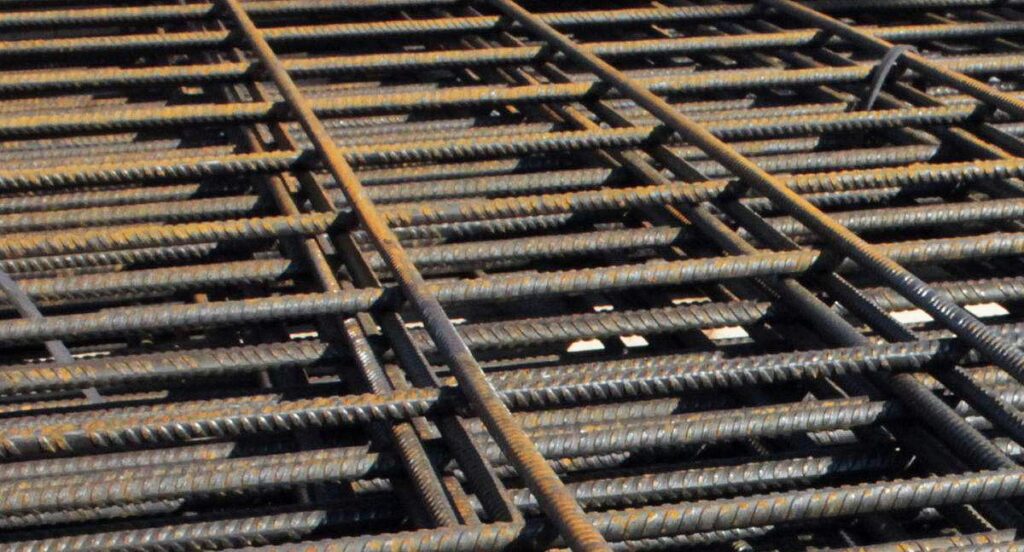
Site compliance steps builders can actually follow
Add reo exposure checks to pre-pour and post-fix inspections. If your site already has hold points for formwork and reinforcement, include a specific item for exposed ends near access routes and edges.
Make responsibility explicit. A foreman or leading hand should verify caps, covers, and barriers are installed and maintained, not left to “whoever sees it”. Replace missing or damaged caps immediately and keep spares in the gang box so the fix is instant.
Also check that protection does not compromise concrete cover, bar spacing, or formwork alignment. Controls should make the work safer without creating quality defects that trigger rework and more time around the hazard.
How Should Reobars Be Stored to Meet WHS Safety Standards?
Storage is a WHS issue because it prevents roll-away incidents, reduces manual handling, avoids trip hazards, and keeps reinforcement usable. Poor storage also increases cutting, straightening, and rehandling, which increases exposure to sharp ends, strain, and eye injuries.
A WHS-friendly setup includes stable dunnage or bearers, chocks to prevent rolling, intact straps or banding, segregated sizes and lengths, and clear signage for laydown and exclusion areas. Laydown planning matters too. Keep reo away from primary access routes, scaffold bases, and formwork erection zones, and maintain clear pedestrian paths.
In wet or coastal environments, keeping reo off the ground and covered helps reduce contamination and excessive corrosion. Rust-resistant reo can also be a practical choice for coastal infrastructure because it can extend service life and reduce remediation, which lowers future high-risk work.
Safe unloading and stacking practices
Use mechanical lifting where possible and use rated slings and lifting points. Workers should not stand in the drop zone or between a load and a hard edge, especially when bundles are being landed near formwork or material stacks.
Avoid unstable stacks that can shift. Stacking height should be limited by stability and the ground condition, and you should avoid “pyramid” arrangements that can roll or slide. Keep bundles banded until you are ready to use them, and manage offcuts in dedicated bins so they do not become puncture and trip hazards.
Keeping reobars serviceable (and safer) on-site
Excessively rusted, muddy, or bent bars increase handling time and raise injury risk because workers fight the material instead of placing it. Contamination can also affect bond and concrete quality, leading to fixes and delays.
Simple controls include raising reo off the ground, covering it when rain or mud is likely, and keeping it away from wet soil and concrete splatter. Add quick inspection into your workflow: pull out damaged bars, confirm lengths and diameters, and fix issues before the crew is deep in a congested fixing zone.
What PPE Should Workers Use When Handling Reobars on Site?
PPE is the last line of defence, but it matters because reo injuries are often lacerations, punctures, and eye injuries. The typical PPE for reo tasks includes cut-resistant gloves, long sleeves or puncture-resistant workwear, safety glasses, steel-toe boots with puncture-resistant soles, and a hard hat. Hearing protection is also common when cutting.
Task-based additions are often needed. Use a face shield for grinding, a respirator if dust is generated, and high-visibility clothing when working around moving plant during deliveries and lifts. Good PPE reduces injuries from bar ribs, tie wire, rust scale, and metal fragments, especially when conditions are wet or visibility is poor around early starts and late pours.
Match PPE to the task (fixing, cutting, tying, moving bundles)
For fixing and tying, gloves and long sleeves reduce abrasions and wire cuts. It is also worth choosing gloves that still allow dexterity because fumbling increases puncture risk.
For cutting and grinding, use safety glasses plus a face shield and hearing protection, and control spark direction so others are not exposed. For moving bundles, use grippy gloves, high-vis, and clear communication, and keep hands out of pinch points when landing steel.
PPE checks that often get missed on building sites
Replace torn gloves before tying because wire ends and bar ribs cut through quickly. Keep eye protection clean so visibility stays high, as fogging and splatter can contribute to trips around reo, chairs, and mesh laps.
Check boot soles. Worn tread increases slip risk around wet pours, muddy access paths, and formwork zones where concrete laitance or water sits underfoot.
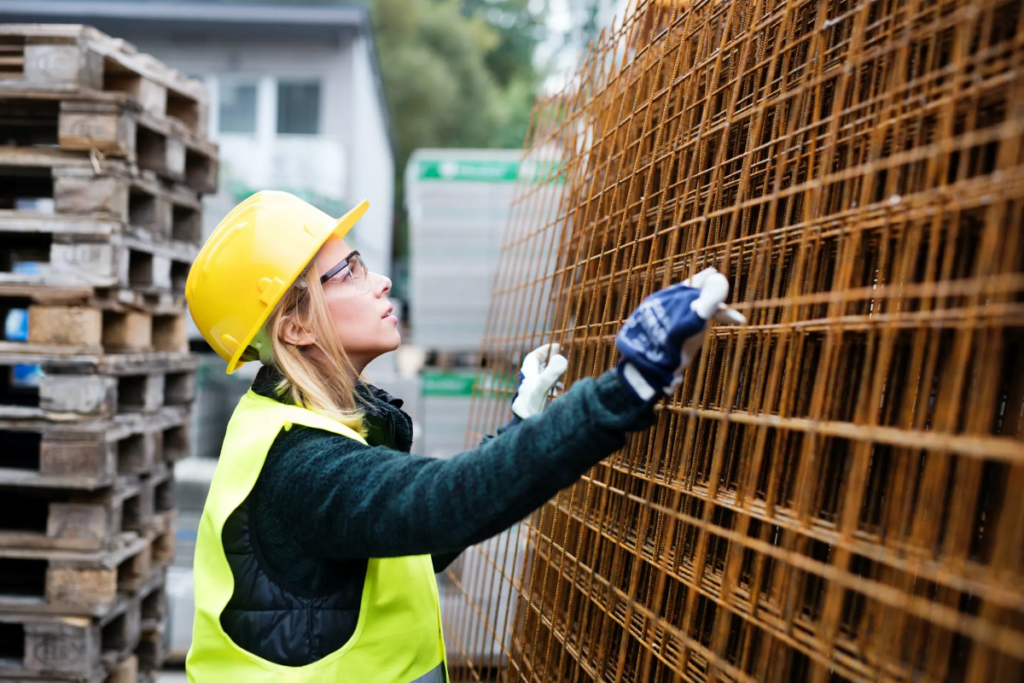
How Can Builders Reduce Impalement and Trip Hazards From Reobars?
Reducing reo hazards comes down to applying the hierarchy of control consistently. Eliminate protrusions where possible, isolate high-risk zones, and keep exposure time short with good sequencing and housekeeping.
Start with planning. Prefabricated cages can reduce on-site protrusions and handling, and sequencing can prevent starter bars and dowels being left exposed longer than needed. Then back it up with administrative controls like SWMS, exclusion zones, spotters during lifts, and quick toolbox talks based on recent near misses.
Coordination with formwork matters too. Stable LVL/formwork systems and predictable access reduce the need for workers to step over bars, squeeze past penetrations, or improvise paths. Visibility aids such as high-vis marking and adequate lighting help, but they should support, not replace, physical controls.
Engineering controls that work on real Australian sites
Use impalement-rated protection in high-risk locations such as walkways, edges, ladders, step-downs, and around penetrations. Where there are clusters of starters, cover them with robust timber or mesh panels or use engineered barriers designed for impact.
Create designated access paths around reinforcement zones. If workers are forced to step over reo to do routine tasks, the layout is telling you the control is not strong enough.
Sequencing and housekeeping to keep exposure time short
Sequence fixing so starters and dowels are protected immediately after placement, not “once the crew gets to it”. Keep offcut removal continuous, because waiting until the end of the day allows puncture and trip hazards to build up.
Before a concrete pour, do a final sweep for loose tie wire, offcuts, and unstable chairs, and confirm protection is still in place. Barriers and caps often get displaced right before pours due to congestion and last-minute adjustments.
Site supervision and documentation (without overcomplicating it)
Include reo hazards in daily pre-starts and SWMS reviews for fixing and formwork crews. Keep the inspection rhythm simple: a morning walk, a post-delivery check, and a pre-pour check usually catch most issues.
Record and close out what you find. Missing caps, blocked walkways, and unstable stacks should be assigned to someone, with a clear time to fix. That small discipline is often what turns “we know it’s a risk” into actual WHS compliance on busy building sites.
See Also : Why Professional Pest Services Sydney Beat DIY Store Treatments