

On an Australian building site, formwork rarely fails because the design was wrong. It fails because the sheets got wet, warped, smashed at the corners, or dragged around like they are indestructible. They are not.
This guide is about keeping panels straight, edges clean, and surfaces usable for more pours. And yes, it is a little boring. But it is cheaper than replacing a stack of sheets mid job.
What should they check before storing plywood formwork on site?
They should check moisture, damage, and identification first, before anything is stacked. If bad sheets get mixed in early, everything after that becomes messy.
Look for swollen edges, delamination, face scratches, and nail holes. Mark any “repair only” sheets with paint pen. If the stack includes different thicknesses or grades, label bundles so the wrong panel does not end up in a critical spot later.
Where is the best place to store plywood formwork on an Australian site?
The best place is a flat, drained, protected area away from traffic and water flow. If the storage spot is wrong, the sheets will follow it and distort.
They should avoid low points where stormwater sits, and areas near washout pits. A simple crushed rock pad with good fall works well. If there is a site shed or covered laydown zone, use it. Wind driven rain is common along the coast, so “near cover” is not the same as “covered”.
How should they stack plywood formwork to prevent warping?
They should stack it flat on evenly spaced bearers and keep weight distributed. Warping usually starts because the stack is twisted, not because the product is “bad”.
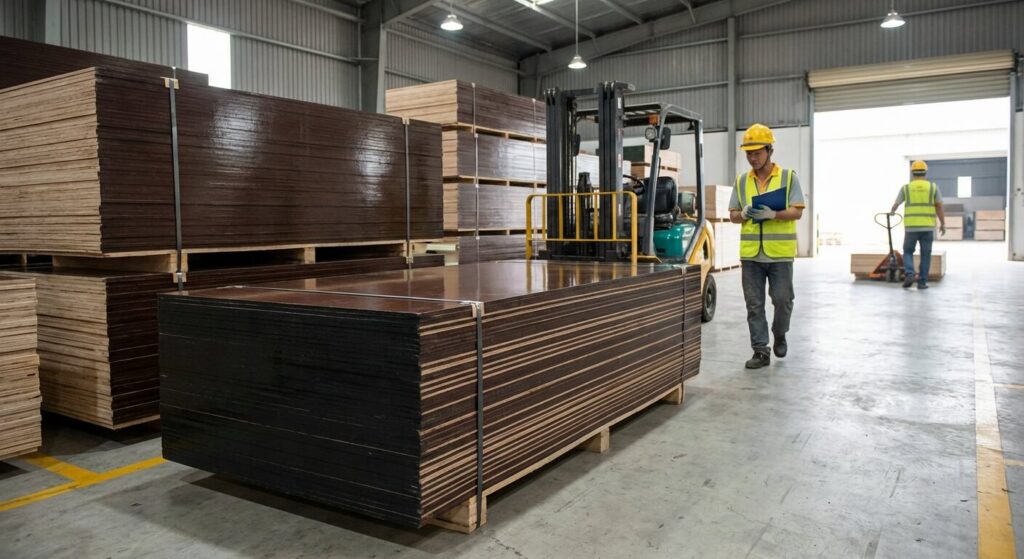
Use level timber bearers at consistent centres, and keep them aligned vertically from layer to layer. Do not let corners hang in the air. Keep the heaviest sheets at the bottom, and avoid mixing short offcuts into full sheet stacks because it creates pressure points and bends faces over time.
How do they keep plywood formwork dry during rain and humidity?
They should cover it properly while still allowing airflow, and keep it off the ground. Trapped moisture can be as damaging as rain.
Use a waterproof tarp that sheds water, then prop it so it does not sit directly on the top sheets like a wet blanket. Leave gaps at the sides for ventilation. In places like Brisbane or Cairns, humidity hangs around, so they should inspect stacks daily after storms, not just “when they get time”.
Should they store plywood formwork indoors or outdoors?
Indoors is better, but outdoors can work if the method is controlled. The key is consistency, not wishful thinking.
If storing outdoors, treat the stack like it is permanent storage, not temporary. Keep plywood formwork elevated, fully covered, and tied down. If storing indoors, they still need bearers and separation from slab moisture. A damp warehouse floor in winter can quietly ruin panels.
How should they handle plywood formwork to avoid edge damage?
They should lift and carry it in a way that protects corners and avoids dragging. Most panel life is lost at the edges, not the face.
Use two-person carries for full sheets, or mechanical lifting where practical. Avoid levering sheets apart with crowbars against the edges. If they must separate stuck panels, work along the face gently with wedges. Train labourers early because “just this once” handling becomes the site habit fast.
What lifting and moving methods work best for plywood formwork on site?
They should use forklifts, cranes, or trolleys with support points that prevent flexing. Unsupported spans lead to cracks and face checking.
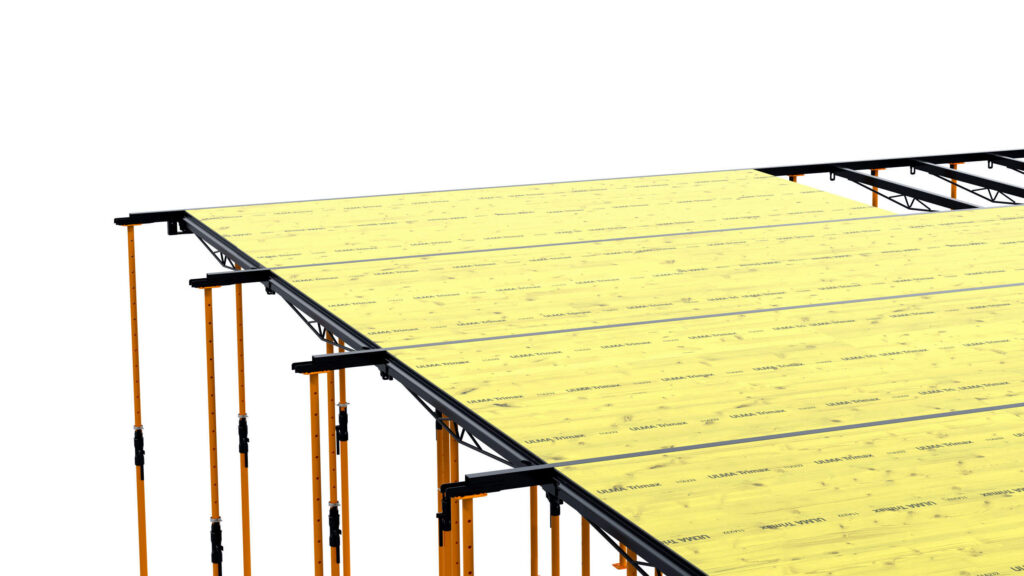
Fork tynes should be spaced wide and kept smooth, with packers if needed to stop gouging. When craning bundles, strap them properly and use spreader bars for long packs. If moving by hand, keep sheets vertical and supported, and do not twist them around obstacles.
See Also: What to Know Before You Buy an LVL Beam for Your Project
How can they reduce concrete staining and surface damage during storage?
They should keep faces clean, keep panels separated from contaminants, and protect the pour surface. Once the face is scratched or stained, it prints into the concrete finish.
Store plywood formwork away from mud, rebar cutting areas, and curing compounds. Do not place it under scaffold planks where mortar drops. If sheets come off a pour with residue, clean them before stacking. A thin build-up becomes a hard ridge; then the next pour shows it.
What cleaning and maintenance should they do between pours?
They should clean immediately, repair edges, and recoat release agent correctly. Waiting until the end of the week usually means hours of scraping.
Scrape concrete nibs with plastic or appropriate tools to avoid gouging. Patch small face damage with suitable filler if the finish class allows it. Lightly sand rough spots. Reapply release agent evenly, not in puddles. With plywood formwork, a consistent routine matters more than aggressive “deep cleans”.
How should they organise and label plywood formwork for faster installation?
They should bundle by size, thickness, and pour type, then label clearly. Good organisation saves time, and it also prevents the wrong panels getting destroyed.
Create dedicated stacks for wall shutters, soffits, and infill pieces. Mark sheets that are cut to suit with their location, like “Level 2 core wall”. Keep a small quarantine pile for damaged panels. On larger projects in Sydney or Melbourne, this basic system stops constant searching and double handling.
What common site mistakes ruin plywood formwork fastest?
They ruin it by letting water sit, dragging sheets, mixing offcuts into stacks, and storing it in traffic lanes. Small habits compound quickly.

Another common issue is leaving sheets leaning against fences or containers, where they bow under their own weight. Or using panels as workbenches, welding shields, or walkways. If plywood formwork is treated as “just timber”, it will behave like cheap timber and fail early.
What is a simple day to day checklist they can follow?
They should do a quick morning and end of day check to catch problems before they spread. It takes minutes and saves sheets.
Morning: check covers, look for pooled water, confirm bearers are still level, and remove any debris. End of day: return loose panels to the right stack, clean obvious concrete build up, and re cover properly. If rain is forecast, add tie downs and check runoff paths around the plywood formwork storage zone.
How does good storage and handling extend plywood formwork life on Australian projects?
It extends life by keeping sheets flat, dry, and damage free, which directly increases re use cycles. More re use means fewer replacements, less waste, and smoother pours.
On Australian sites where weather swings hard, disciplined storage is not optional. It is a cost control measure. When teams protect edges, keep stacks dry, and move panels correctly, plywood formwork stays straight and predictable, and the finish quality stays consistent right through the job.
FAQs (Frequently Asked Questions)
What are the main reasons plywood formwork fails on Australian building sites?
Plywood formwork rarely fails due to design errors. It typically fails because the sheets get wet, warp, suffer corner damage, or are dragged around carelessly, leading to warping and surface damage.
How should plywood formwork be stored on site to prevent damage?
Plywood formwork should be stored flat on evenly spaced bearers in a flat, drained, protected area away from traffic and water flow. Avoid low points where stormwater collects, keep stacks level and aligned vertically, and cover them properly with waterproof tarps that allow airflow to prevent moisture damage.
What precautions should be taken when handling plywood formwork to avoid edge damage?
Plywood panels should be lifted and carried carefully to protect corners; use two-person carries for full sheets or mechanical lifting where possible. Avoid dragging sheets or levering them apart with crowbars at edges. Training labourers early helps prevent careless handling habits.
How can concrete staining and surface damage on plywood formwork be minimised during storage?
Keep panel faces clean and separated from contaminants like mud, rebar cutting areas, and curing compounds. Avoid placing sheets under scaffold planks where mortar may drop. Clean off any concrete residue immediately after pours before stacking to prevent hard ridges forming that affect future concrete finishes.
What cleaning and maintenance routines are recommended between concrete pours for plywood formwork?
Clean panels immediately after use by scraping off concrete nibs with plastic tools to avoid gouging. Repair small face damages with suitable fillers if permitted by finish class, lightly sand rough spots, and reapply release agent evenly. Consistent routine maintenance is more effective than infrequent deep cleans.
How should plywood formwork be organised and labelled on site for efficient installation?
Bundle plywood by size, thickness, and pour type, then label clearly to save time and prevent misuse. Create dedicated stacks for wall shutters, soffits, infill pieces, and mark cut sheets with their location (e.g., ‘Level 2 core wall’). Keep a quarantine pile for damaged panels to streamline workflow.